Ultimate Guide to Choosing Lawn Trimmers for Your Garden in 2026
As we step into 2026, the landscape of gardening tools continues to evolve, providing gardeners with an array of choices for maintaining their verdant spaces. Lawn trimmers have become indispensable for achieving a polished look, especially in areas that mowers cannot reach. This guide will help you navigate the various options available, ensuring you choose the perfect trimmer for your garden needs.
Understanding Lawn Trimmer Types
The first step in selecting a lawn trimmer is understanding the different types available. Broadly, they can be categorised into three main types: electric, petrol, and manual trimmers. Electric trimmers are popular for their ease of use and maintenance. They are lightweight and ideal for small to medium-sized gardens. On the other hand, petrol trimmers offer more power and are suitable for larger areas or tougher vegetation. They provide the freedom of mobility without the constraints of a cord but require more maintenance. Finally, manual trimmers, though less common, are a sustainable option for those who prefer a hands-on approach and have smaller gardens.
Power and Performance Considerations
When choosing a lawn trimmer, power and performance are critical factors to consider. For electric trimmers, look at the wattage; higher wattage generally means more cutting power. For petrol trimmers, consider the engine size, usually measured in cubic centimetres. A larger engine size will typically result in better performance, especially in dense or overgrown areas. Additionally, assess the trimming width, which indicates how much grass the trimmer can cut in a single pass. A wider cutting diameter can save time but may be less precise in tight spots.
People Also Look For:
- SMILOVII 24V Cordless Strimmer, Telescopic Lightweight Grass Trimmer with 6xMetal Blades & 10xPlastic Blades, 2 x 2000mAh Battery,...
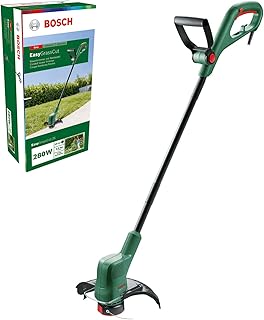
- Bosch Electric Grass Trimmer EasyGrassCut 26 (280 Watt, Cutting Diameter 26 cm, Weight: 2 kg, in Carton Packaging)
- Einhell Power X-Change 18V Cordless Strimmer - 24cm Cutting Width, Cordless Grass Trimmer and Lawn Edger, Includes 20 x Blades - G...
- WORX 20V Cordless Grass Trimmer WG163E.2 with Fast Charger, 1 x 2.0Ah Battery, PowerShare, 2-in-1 Grass Trimmer/Edger, 90° Head p...
- Bosch Grass Trimmer ART 30 - High-Performance Trimming for Your Lawn (550 W, Cutting Diameter 30 cm, Carton Packaging)
Battery Life and Runtime
For cordless electric trimmers, battery life is a crucial aspect. In 2026, many brands now offer lithium-ion batteries that provide longer runtimes and quicker charging times. When selecting a battery-operated trimmer, ensure that the battery can last long enough to complete your gardening tasks without interruption. Consider trimmers that come with interchangeable batteries, allowing you to swap out the battery for extended use without downtime.
Weight and Ergonomics
The weight of a lawn trimmer can significantly affect your comfort during use. Heavier models may cause fatigue, especially during prolonged use. Opt for a lightweight design that allows for easy manoeuvrability. Ergonomic features such as adjustable handles and padded grips can enhance your experience, making it easier to tackle those hard-to-reach areas. Many modern trimmers also come with anti-vibration technology, which can help reduce strain on your hands and arms.
Cutting Mechanism
Lawn trimmers utilise different cutting mechanisms, primarily line and blade systems. Line trimmers use a nylon string that spins rapidly to cut through grass and weeds, while blade trimmers utilise metal blades for tougher vegetation. Line trimmers are generally more versatile and easier to handle, making them suitable for most garden tasks. However, if you plan to tackle dense brush or woody plants, a blade trimmer might be the better option.
Noise Levels and Environmental Impact
As concerns about noise pollution and environmental sustainability grow, choosing a quieter lawn trimmer is becoming increasingly important. Electric trimmers tend to be quieter than their petrol counterparts, making them a more neighbour-friendly option. Furthermore, consider models that have low emissions and are designed with eco-friendly technologies. In 2026, many manufacturers are focusing on creating more sustainable options, so look for products that reflect these values.
Budget and Brand Considerations
Your budget will likely play a significant role in your trimmer selection process. Prices can vary widely based on type, brand, and features. While it may be tempting to go for the cheapest option, remember that investing in a quality trimmer can save you money in the long run with better performance and durability. Research reputable brands known for their reliability and customer service. Reading reviews and seeking recommendations from fellow gardeners can also provide valuable insights.