Discovering Customer Choices in Lawn Trimmers for 2026
As we approach 2026, the landscape of lawn maintenance is evolving rapidly. Garden enthusiasts and homeowners alike are becoming increasingly discerning about their choices in lawn trimmers. With technological advancements and environmental considerations at the forefront of consumer preferences, understanding what drives customer choices has never been more critical. This article delves into the emerging trends that are shaping the lawn trimmer market in 2026.
Technological Advancements in Lawn Trimmers
The lawn trimmer industry is witnessing a remarkable transformation, primarily driven by technological innovations. In 2026, customers are expected to gravitate towards trimmers that feature smart technology. These advancements include integrated sensors that adjust power levels based on the density of the grass, ensuring an efficient and precise cutting experience. Additionally, many consumers are looking for trimmers that are compatible with mobile applications, allowing for remote control and monitoring of performance.
Battery technology is another significant factor influencing customer choices. The shift from traditional petrol-powered trimmers to battery-operated models is gaining momentum. Consumers are increasingly aware of the environmental impacts of their gardening tools. Consequently, the demand for lightweight, cordless trimmers with longer battery life is on the rise. In 2026, it is anticipated that customers will favour models that offer quick charging capabilities and extended usage times. This transition not only enhances convenience but also aligns with the growing trend of sustainability in outdoor equipment.
People Also Look For:
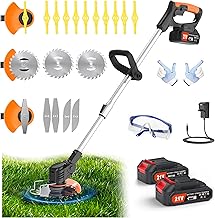
- Strimmer Cordless Telescopic Lightweight Grass Trimmer Garden Strimmer Electric Cordless with 2 × 21V Lithium Battery Fast Cha...
- Einhell Power X-Change Cordless Strimmer With Battery And Charger - 18V Lightweight Grass Trimmer With 20 x Blades, 24cm Cutting W...
- WORX WG163E 18V (20V MAX) Cordless Grass Trimmer With Command Feed And 2 Batteries Strimmer Line Strimmers Edge Cutter Black
- Mountfield MTR 20 Li Cordless Grass Trimmer, for Trimming Corners and Borders, 25cm Cutting Width, Single -line auto Feed Head, 20...
- Flymo EasiGlide 360 Hover Collect Lawn Mower - 2000W Motor, 36cm Cutting Width, 26 Litre Grass Box, Folds Flat, 10m Cable Length, ...
Design and Ergonomics
Design plays a pivotal role in customer satisfaction when selecting lawn trimmers. In 2026, the focus will not only be on performance but also on how comfortable and easy the trimmer is to use. Ergonomic designs that reduce strain on the user’s hands and back are becoming increasingly popular. Trimmers with adjustable handles, lightweight materials, and well-balanced designs are likely to be favoured by consumers who value comfort in their gardening tasks.
Moreover, aesthetics cannot be overlooked. Modern consumers are looking for lawn trimmers that not only perform well but also complement their outdoor space. Manufacturers are responding to this demand by offering trimmers in various colours and sleek designs that appeal to a broader audience. The trend towards personalisation will continue to shape customer preferences, with many looking for tools that reflect their individual style.
Customer Experience and Support
In 2026, customer experience will be a decisive factor in the purchasing decision for lawn trimmers. Consumers are increasingly seeking brands that provide exceptional customer support and guidance. This includes detailed product information, instructional videos, and easy access to customer service. As such, brands that invest in comprehensive support systems are likely to gain a competitive edge. Online reviews and testimonials will also play a critical role in shaping consumer perceptions, as potential buyers seek reassurance from the experiences of others.
Additionally, the availability of replacement parts and accessories will influence customer loyalty. Trimmers that are designed for easy maintenance and come with a range of compatible attachments will be more appealing. This trend reflects a growing desire for durability and longevity in outdoor equipment, as customers seek to make informed investments in high-quality products.
Environmental Considerations
As the world becomes increasingly aware of climate change and environmental issues, consumers in 2026 are expected to prioritise eco-friendly options when selecting lawn trimmers. This includes a preference for electric models that produce fewer emissions compared to their petrol counterparts. Brands that highlight their commitment to sustainability and offer products made from recyclable materials are likely to resonate with environmentally conscious customers. Furthermore, innovations such as solar-powered trimmers may emerge, appealing to those who are dedicated to reducing their carbon footprint.
By understanding these trends and preferences, manufacturers and retailers can better cater to the evolving needs of their clientele. As we continue to explore the dynamics of customer choices in lawn trimmers, it is clear that the intersection of technology, design, and environmental awareness will drive the market forward in 2026.